Background and Context
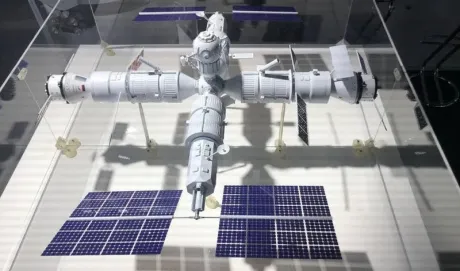
The ISS has operated since 1998. Russia planned to exit in 2028 to focus on a new Russian Orbital Station (ROS). However, ROS development is delayed, while the ISS continues operations. In 2025, international partners announced plans to extend the ISS until 2030.
Technical Details
The ISS consists of Russian and international segments. The Russian segment, including the "Zvezda" module, has operated for over 25 years. The station faces air leaks, corrosion, and thermal stress. No replacement for the ISS is planned until 2030.
Industry Impact
Russia plans to assemble ROS using the ISS, canceling its 2028 exit. This keeps Russia involved in the ISS until 2030. International partners rely on continued cooperation to avoid Chinese dominance in space infrastructure.
Key Facts
- ISS will operate until 2030.
- Russia exits in 2028 but delays ROS.
- ISS is aging but no replacement yet.
- Dependence on Russian segments persists.