Introduction to the Hypothesis
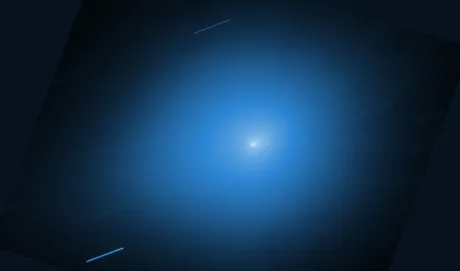
Harvard astrophysicist Avi Loeb has proposed a new unusual hypothesis about the interstellar object 3I/ATLAS, suggesting that during its passage through the Solar System, it could have spread life or its chemical precursors across planets.
The Concept of Panspermia
The idea is based on the concept of panspermia — a hypothesis that life or its 'seeds' can travel between star systems inside comets, asteroids, or cosmic dust. This theory has been discussed by scientists for several decades, although it remains controversial and lacks direct evidence.
Directed Panspermia
According to Loeb, microorganisms could have survived interstellar travel, located inside the icy reservoirs of the comet. When approaching the Sun and planets, part of the substance could have been ejected into the surrounding space, spreading organic material. The scientist compared this process to a dandelion, which scatters seeds in the wind in search of fertile soil.
Impact on Our Understanding
If Loeb's hypothesis is correct, the origin of life on Earth may turn out to be a much more cosmic story than is commonly believed today. This could change our understanding of humanity's place in the universe and open up new perspectives for the search for extraterrestrial life.